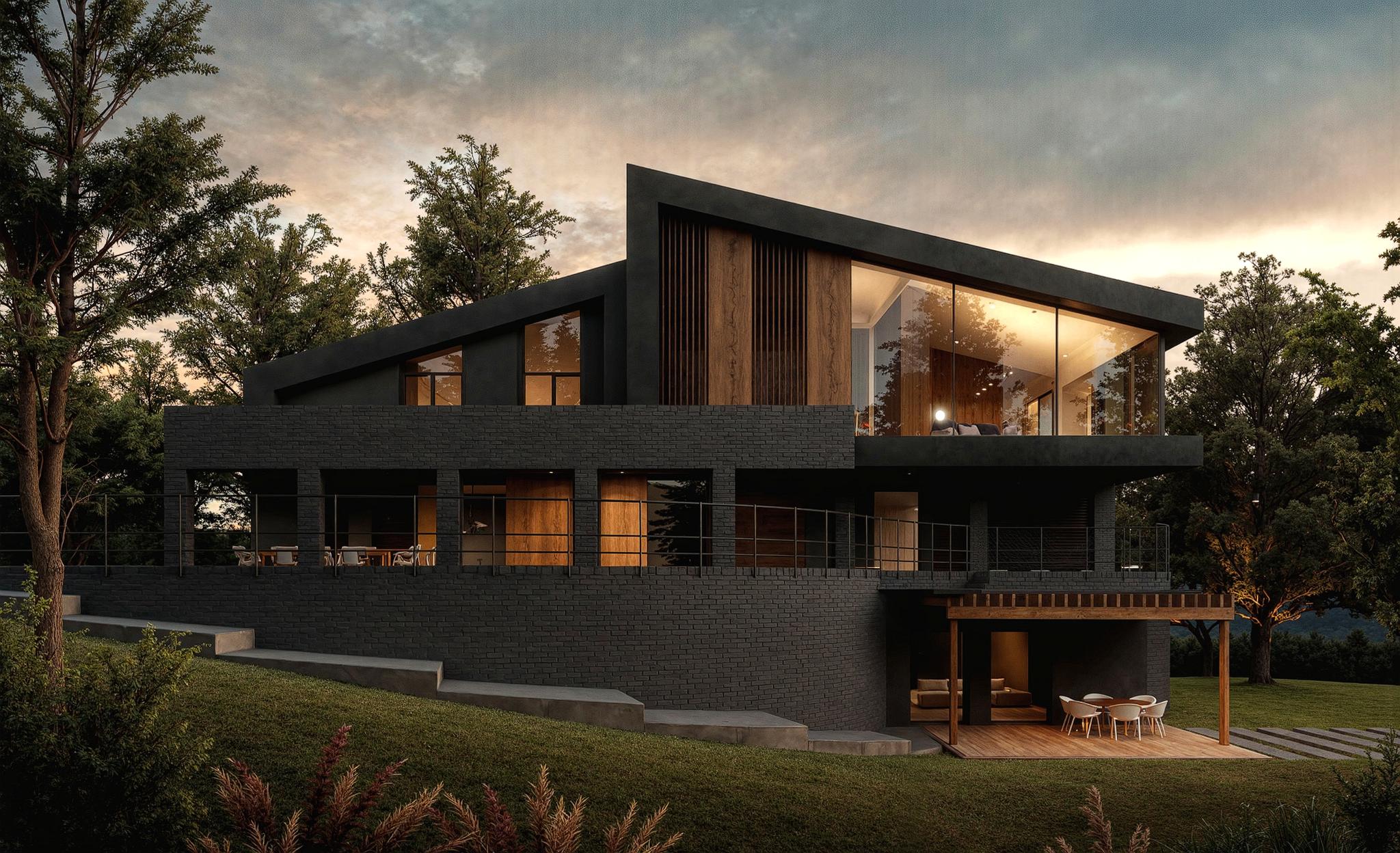
Designing a home is a complex process in which every decision has a direct impact on how the space is lived in. When the goal is to design a high-end home, interior design ceases to be a complementary element and becomes an essential part of the architectural project. It’s not just about defining an aesthetic, but about creating coherent, functional spaces designed to last over time.
A well-designed home is recognized by its balance, the way the spaces are accessed, and the feeling of comfort it conveys from the first moment. A well-designed home is recognized by its balance, the way the spaces are traversed, and the feeling of comfort it conveys from the very first moment. For this reason, designing a high-end house requires a holistic vision in which architecture, interior design, and project management progress in a coordinated manner from the earliest stages.
The starting point for any quality residential project is understanding the lifestyle of those who will live in the home. Interior design truly comes into its own when it responds to real ways of living, rather than generic solutions or fleeting trends. When designing a high-end house, this analysis allows for more informed decisions regarding the layout, uses, and relationship between spaces, ensuring a functional and adaptable home.
Interior layout is one of the factors that most influence the quality of a home. A clear organisation facilitates circulation, enhances the relationships between rooms, and reinforces the sense of spaciousness. Designing with purpose means understanding the home as a continuous whole, where each space has a clear function within the overall project.
References and inspiration with a professional approach
References play a role in the creative process, yet their true value lies in how they are interpreted. In high-end residential projects, references are not used as closed solutions, but as analytical tools that help to make more informed decisions.
When designing a high-end house, it is common to analyze contemporary architectural projects that stand out for their spatial coherence, their relationship with the environment, and the integration between architecture and interior design. This allows for inspiration without losing the identity of the project itself.
Specialized platforms like ArchDaily allow you to observe how these types of homes are designed from a professional perspective, understanding the criteria behind each decision and applying these lessons strategically.
How to integrate interior design and architecture
Interior design and architecture must function as a unified whole. The layout planning, the choice of materials, the lighting and the relationship between interior and exterior are addressed together from the beginning of the project, ensuring coherence and purpose in every decision.
When designing a high-end house, coordination between different disciplines is key to creating balanced, functional, and durable spaces. Complete project management allows execution to proceed according to plan, preserving the aesthetics, functionality, and experience of the space.
Every element, from the selection of materials to the lighting planning, is strategically integrated to reinforce the quality of the home and ensure that all decisions are aligned with the overall design.
Flexibility and evolution of spaces
One of the hallmarks of high-end residences is their capacity to evolve and adapt over time. The spaces are designed with different uses and future needs in mind, integrating storage solutions and multipurpose areas.
Diseñar con esta visión garantiza que la vivienda mantenga su funcionalidad y su valor estético durante muchos años, proporcionando una experiencia de habitabilidad superior. Flexibility allows for modification of rooms without compromising the coherence of the design.
Attention to detail, the selection of materials and integration with the environment make each project a unique space, where interior design and architecture work in a cohesive way.
Designing a high-end home with The Black House
Designing a single-family home requires a deep understanding of the site, the context, and the client’s profile. When designing a high-end house, not only is the interior space considered, but also its relationship with the urban and natural environment.
At The Black House, the process is approached from a comprehensive perspective that combines architecture, interior design and project management from the earliest stages. The design is based on an analysis of lifestyle, the relationship between interior and exterior, and a selection of materials consistent with the overall project.
This way of working allows the development of balanced, functional and timeless homes, where every decision responds to a clear criterion. Attention to detail, knowledge of the context, and a well-defined methodology are elements that ultimately shape a recognizable way of designing single-family homes.
When the goal is to design a high-end house, experience, consistency of process, and care in execution make all the difference. The result is homes designed to be lived in naturally, integrated with their surroundings, and aligned with a demanding, contemporary approach to residential architecture.